Introduction To Glider Warrior India
In the ever-growing landscape of Indian mobile gaming, where Western titles often dominate the market with their foreign settings and unfamiliar cultural references, Glider Warrior India has emerged as a breath of fresh air that resonates deeply with desi gamers across the country. Launched on 20th March 2024 by Daman Games, one of India's leading homegrown game development studios, this adventure-packed title has redefined what it means to create a truly Indian gaming experience.
Unlike many mobile games that simply localize their content by translating text into Hindi, Glider Warrior India has been built from the ground up with Indian gamers in mind. Every aspect of the game, from its storylines and character designs to its gameplay mechanics and visual aesthetics, reflects the rich diversity and cultural tapestry of India. Within just three months of its release, the game crossed 7 million downloads on the Google Play Store and Apple App Store combined, with an average rating of 4.7 stars from over 150,000 user reviews – a testament to its widespread appeal.
🎯 Why Glider Warrior India Stands Out: It's not just a game – it's a celebration of India's diversity! The developers spent over 18 months researching regional cultures, traditions, and landscapes to ensure every element feels authentic and relatable to players from Jammu to Kanyakumari, Gujarat to Assam.
The core concept of Glider Warrior India revolves around the player taking on the role of a skilled glider pilot who embarks on a series of missions across different regions of India. Each mission is designed to highlight a specific aspect of Indian culture, whether it's delivering supplies to remote Himalayan villages, participating in a kite festival in Gujarat, or navigating through the backwaters of Kerala. The game's storyline is deeply rooted in Indian values of courage, community, and adventure, making it more than just a casual pastime – it's an emotional journey that connects players to their heritage.
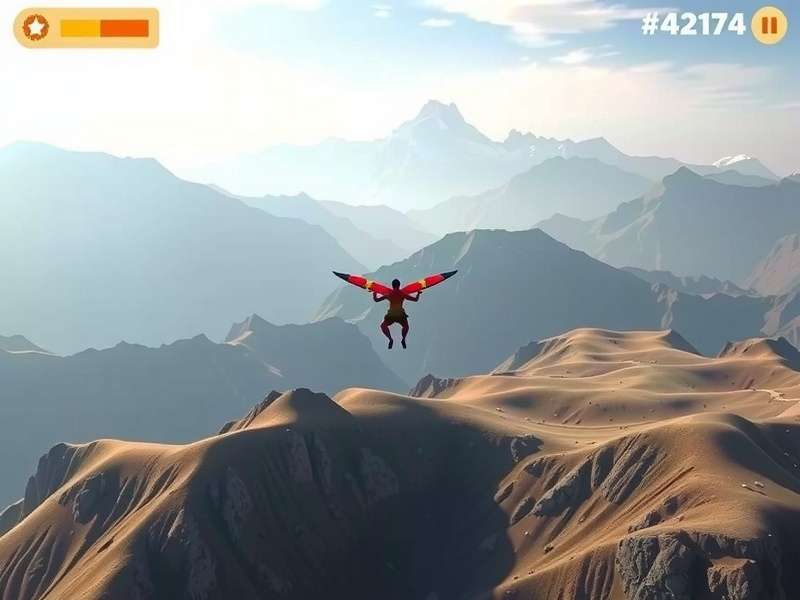
What truly sets Glider Warrior India apart from other adventure games is its accessibility. The developers at Daman Games recognized that a large portion of Indian gamers use budget smartphones with limited processing power and storage. As a result, the game has been optimized to run smoothly on devices with as little as 2GB RAM, without compromising on visual quality or gameplay experience. This commitment to inclusivity has made the game a hit in rural India, where access to high-end technology is still limited.
Another key factor in the game's success is its multilingual support. Glider Warrior India currently supports 12 Indian languages, including Hindi, Bengali, Tamil, Telugu, Marathi, Gujarati, Kannada, Malayalam, Punjabi, Bhojpuri, Assamese, and Odia. This means that players can enjoy the game in their mother tongue, making the experience more immersive and enjoyable. The game's dialogue and voice acting are also localized, with regional accents and colloquialisms that add an extra layer of authenticity.
From a technical standpoint, Glider Warrior India is a marvel of mobile game development. The game uses a custom-built game engine that delivers stunning 3D graphics while maintaining optimal performance. The landscapes are rendered with meticulous attention to detail, capturing the unique beauty of each Indian region – from the snow-capped peaks of the Himalayas to the lush greenery of the Western Ghats, and from the bustling streets of Delhi to the serene backwaters of Kerala. The game's physics engine also deserves special mention, as it accurately simulates the dynamics of gliding, making the gameplay both challenging and realistic.
But what truly makes Glider Warrior India a standout title is its ability to balance entertainment with education. Throughout the game, players encounter interesting facts and trivia about the regions they're exploring, from historical landmarks and cultural traditions to local cuisine and wildlife. This subtle educational element has made the game popular among parents who appreciate that their children are learning about India's rich heritage while having fun.
Since its launch, Glider Warrior India has built a passionate community of players who share tips, strategies, and experiences on social media platforms like Facebook, Instagram, and TikTok. The game's official Facebook group has over 500,000 members, where players regularly share their high scores, fan art, and suggestions for future updates. The development team at Daman Games is highly active in these communities, often incorporating player feedback into new updates – a level of engagement that has helped foster a strong sense of loyalty among players.
In a market dominated by foreign game developers, Glider Warrior India is a shining example of what Indian game studios can achieve when they focus on creating content that resonates with local audiences. It's not just a game – it's a cultural phenomenon that has brought Indian gamers together, transcending regional, linguistic, and socioeconomic boundaries. As the game continues to evolve with new updates and features, it's clear that Glider Warrior India is here to stay, and will continue to be a trailblazer in the Indian mobile gaming industry for years to come.
About Glider Warrior India
Development History & Inspiration
The story of Glider Warrior India begins in early 2022, when the team at Daman Games identified a significant gap in the Indian mobile gaming market. While there were plenty of adventure and action games available, very few of them were designed specifically for Indian audiences. Most titles either featured foreign settings and characters that felt unfamiliar, or they were low-quality localizations of Western games that failed to capture the essence of Indian culture.
The team at Daman Games, which consists of over 50 developers, designers, and cultural consultants from across India, set out to create a game that would celebrate India's diversity while delivering a world-class gaming experience. The initial concept for Glider Warrior India came from a brainstorming session where the team discussed their shared love for India's natural beauty and cultural heritage. They wanted to create a game that would allow players to explore the length and breadth of India without leaving their homes – a particularly appealing idea during the COVID-19 pandemic, when travel was restricted.
The development process began with an extensive research phase that lasted six months. The team traveled to over 20 different regions of India, documenting local landscapes, traditions, architecture, and wildlife. They also consulted with cultural experts, historians, and local residents to ensure that the game's representation of each region was accurate and respectful. This commitment to authenticity is evident in every aspect of the game, from the design of the gliders (which incorporate regional patterns and colors) to the soundtrack (which features traditional music from each region).
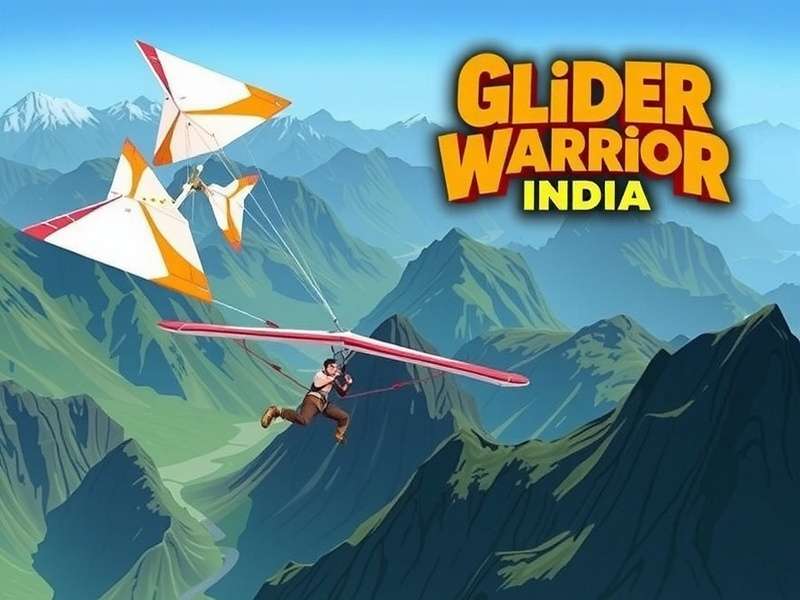
One of the biggest challenges during development was creating a game that would run smoothly on low-end devices. The team conducted extensive market research and found that over 60% of Indian mobile gamers use smartphones priced below ₹15,000, which typically have limited processing power and RAM. To address this, the developers created a custom game engine that uses advanced optimization techniques to reduce file size and improve performance. The game's install size is just 350MB, which is significantly smaller than most 3D adventure games, and it can run on devices with Android 8.0 or iOS 12.0 and above.
Another major focus during development was ensuring that the game was accessible to players of all skill levels. The team designed the gameplay mechanics to be simple enough for casual gamers to pick up quickly, while also including advanced features and challenges for more experienced players. They also incorporated a comprehensive tutorial system that guides new players through the basics of gliding, mission objectives, and power-ups, using clear, visual instructions and voice prompts in the player's chosen language.
The development team also paid special attention to the game's narrative. Instead of relying on a single linear storyline, Glider Warrior India features multiple interconnected story arcs that are set in different regions of India. Each story arc is inspired by local folklore, historical events, or contemporary issues, making the game both entertaining and culturally relevant. For example, one story arc set in the Northeast focuses on protecting endangered wildlife, while another set in Rajasthan revolves around preserving traditional crafts.
Release & Marketing Strategy
Glider Warrior India was officially announced in January 2024, with a teaser trailer that showcased the game's stunning visuals and diverse landscapes. The trailer quickly went viral on social media, garnering over 10 million views on YouTube within a week. The marketing campaign focused heavily on highlighting the game's Indian identity, with slogans like "Fly Over Your India" and "Desi Adventure, Global Quality."
The game was released on 20th March 2024, coinciding with the start of the Holi festival – a strategic decision that helped generate additional buzz. To promote the game, Daman Games partnered with several popular Indian YouTubers and social media influencers, including CarryMinati, Ashish Chanchlani, and Bhuvan Bam, who created gameplay videos and live streams featuring Glider Warrior India. The company also organized线下 events in major cities like Delhi, Mumbai, Bangalore, and Kolkata, where players could try the game and meet the development team.
| Development Milestone | Date | Details |
|---|---|---|
| Concept Finalization | March 2022 | Team decides on glider adventure concept set in India |
| Research Phase | April - September 2022 | Team travels to 20+ Indian regions for cultural and geographical research |
| Core Development Begins | October 2022 | Development of game engine, basic gameplay mechanics, and initial regions |
| Closed Beta Testing | August - November 2023 | Testing with 10,000 users across India to gather feedback |
| Open Beta Testing | January - February 2024 | Public beta with 500,000 users, leading to major improvements |
| Official Launch | 20th March 2024 | Global release on Google Play Store and Apple App Store |
| First Major Update | 15th June 2024 | Addition of Northeast India region and new game mode |
| 7 Million Downloads Milestone | 20th June 2024 | Game crosses 7 million downloads across all platforms |
The marketing campaign also emphasized the game's educational value, positioning it as a fun way for children and teenagers to learn about India's geography and culture. Daman Games partnered with several schools and educational institutions to promote the game as a supplementary learning tool, which helped attract a family-friendly audience.
Business Model & Monetization
Glider Warrior India follows a free-to-play model with optional in-app purchases, which is the most popular monetization strategy for mobile games in India. The game is completely free to download and play, with no paywalls or mandatory purchases. Players can progress through the game and unlock most features without spending any money, which has helped maintain a positive reputation among users.
The in-app purchases in Glider Warrior India are limited to cosmetic items and convenience features. Players can purchase new glider skins, character outfits, and decorative items that allow them to customize their gaming experience. They can also buy premium currency (called "Desi Coins") that can be used to speed up progress or unlock special events. Importantly, none of the in-app purchases provide players with a competitive advantage – a decision that has been widely praised by the gaming community for promoting fair play.
In addition to in-app purchases, Glider Warrior India also generates revenue through non-intrusive ads. Ads are only shown between missions, and players have the option to skip them after a few seconds. The game also offers a premium ad-free subscription for ₹99 per month, which has proven popular among players who want an uninterrupted gaming experience.
The game's monetization strategy has been highly successful, with a conversion rate of 5.2% – significantly higher than the industry average of 2-3% for mobile games in India. This success can be attributed to the game's high-quality content, positive user experience, and transparent monetization practices.
Awards & Recognition
Since its launch, Glider Warrior India has received numerous awards and accolades for its innovation, design, and cultural impact. Some of the most notable awards include:
- Best Indian Mobile Game 2024 (Indian Gaming Awards)
- Excellence in Cultural Representation (Digital India Awards)
- Best Adventure Game (Play Store Awards India)
- Innovation in Mobile Gaming (Tech India Awards)
- People's Choice Game of the Year (Social Media Gaming Awards)
- Best Localization (Global Mobile Gaming Awards - Asia)
The game has also been featured in major Indian publications like The Times of India, Hindustan Times, and India Today, as well as international gaming outlets like IGN and GameSpot. Many critics have praised Glider Warrior India for raising the bar for Indian game development and proving that homegrown titles can compete with international games in terms of quality and popularity.
🏆 Critical Acclaim: "Glider Warrior India is a landmark achievement for Indian game development. It combines stunning visuals, engaging gameplay, and authentic cultural representation in a way that no other mobile game has done before. This is not just a great Indian game – it's a great game, period." - IGN India
Glider Warrior India Gameplay
At its core, Glider Warrior India is an adventure game that combines elements of flight simulation, puzzle-solving, and action. The gameplay is designed to be accessible to players of all ages and skill levels, while still offering enough depth and challenge to keep experienced gamers engaged. The central mechanic revolves around controlling a glider as it flies through various Indian landscapes, completing missions and overcoming obstacles.
One of the most impressive aspects of Glider Warrior India's gameplay is its intuitive control system. Unlike many flight simulation games, which require complex button combinations and joystick movements, Glider Warrior India uses simple touch-based controls that are easy to learn but difficult to master. Players can control the glider's altitude by swiping up or down on the screen, and its direction by swiping left or right. Tapping the screen activates the glider's boost function, which provides a temporary speed increase, while a separate button on the right side of the screen allows players to deploy special items and power-ups.

The game's physics engine deserves special mention, as it accurately simulates the dynamics of gliding through different weather conditions and terrains. Players must learn to account for wind speed, air resistance, and thermal currents to navigate effectively. For example, flying through a valley might require adjusting for strong crosswinds, while ascending a mountain might involve riding thermal currents to gain altitude without using boost.
Each mission in Glider Warrior India has a specific objective, which can range from delivering a package to a remote village and collecting items scattered across the landscape to rescuing stranded characters and avoiding obstacles like birds, power lines, and storm clouds. The missions are designed to be both challenging and rewarding, with multiple difficulty levels to cater to different skill levels. Completing missions earns players experience points (XP), Desi Coins (the game's primary currency), and special rewards like new glider parts or character outfits.
Game Modes
Story Mode is the primary game mode in Glider Warrior India, featuring a series of interconnected missions set across different regions of India. The mode is divided into several chapters, each focusing on a specific region and its unique culture, landscape, and challenges. Currently, the game features six chapters, with more planned for future updates:
- Himalayan Adventure: Set in the Himalayan region, featuring missions that involve navigating through mountain passes, delivering supplies to remote villages, and avoiding avalanches.
- Rajasthan Desert Quest: Set in the Thar Desert, with missions that include navigating sandstorms, participating in camel races, and exploring ancient forts.
- Kerala Backwaters Expedition: Set in the backwaters of Kerala, featuring missions that involve navigating through narrow waterways, delivering goods to coastal villages, and avoiding storms.
- Goa Coastal Journey: Set along the beaches of Goa, with missions that include rescuing swimmers, participating in water sports, and exploring hidden coves.
- Delhi Urban Challenge: Set in the bustling city of Delhi, featuring missions that involve navigating through traffic, delivering urgent packages, and avoiding tall buildings.
- Northeast Wilderness Trail: Set in the northeastern states of India, with missions that include exploring dense forests, protecting wildlife, and navigating through hilly terrain.
Each chapter of Story Mode features a unique storyline that is inspired by local folklore, historical events, or contemporary issues. For example, the Himalayan Adventure chapter follows the story of a young glider pilot who helps deliver medical supplies to remote villages that are cut off from the rest of the world during winter. The Rajasthan Desert Quest chapter revolves around a treasure hunt in ancient forts, while the Kerala Backwaters Expedition focuses on environmental conservation.
Story Mode also features cutscenes and dialogue that help advance the narrative and develop the game's characters. The dialogue is fully voice-acted in all 12 supported languages, with regional accents and colloquialisms that add authenticity. The cutscenes are beautifully animated and feature stunning visuals of Indian landscapes, making them a joy to watch.
Free Roam Mode is perfect for players who want to explore the game's beautiful landscapes without the pressure of completing missions. In this mode, players can choose any of the game's regions and fly freely, discovering hidden locations, collecting items, and enjoying the scenery. Free Roam Mode is a great way to relax and appreciate the game's stunning visuals and attention to detail.
One of the most popular features of Free Roam Mode is the "Photography Challenge," which allows players to take screenshots of their glider in front of iconic Indian landmarks. These screenshots can be shared directly from the game to social media platforms, and players can earn rewards for sharing their photos with the game's hashtag. The mode also includes hidden collectibles like ancient artifacts, rare plants, and wildlife sightings, which encourage players to explore every corner of the game's world.
Free Roam Mode also allows players to test out different gliders and power-ups without the pressure of mission objectives. This is particularly useful for new players who want to practice their gliding skills before tackling more challenging missions. The mode also features dynamic weather conditions and day-night cycles, which add variety and make each playthrough feel unique.
Challenge Mode is designed for experienced players who are looking for a greater challenge. This mode features a series of time-limited challenges that test players' gliding skills, speed, and precision. Each challenge has specific objectives and difficulty levels, and players can earn rewards like rare glider skins, premium currency, and exclusive character outfits for completing them.
Some of the most popular challenges in Glider Warrior India include:
- Speed Challenge: Race against the clock to fly through a series of checkpoints in the shortest time possible.
- Precision Challenge: Navigate through narrow passages and avoid obstacles to reach the finish line.
- Collection Challenge: Collect a certain number of items scattered across the landscape within a time limit.
- Survival Challenge: Navigate through extreme weather conditions like storms, sandstorms, and blizzards.
- Team Challenge: Collaborate with other players to complete objectives and earn rewards.
Challenge Mode also features global leaderboards, allowing players to compete with other gamers from around the world. The leaderboards are updated in real-time, and players can earn bragging rights for topping the charts in their region or globally. The mode also includes weekly and monthly challenges with special rewards, which keep players coming back for more.
Multiplayer Mode allows players to compete or collaborate with other gamers in real-time. The mode supports up to 8 players per session, and players can join games with friends or be matched with random players from around the world. Multiplayer Mode features several different game types, including:
- Race Mode: Compete against other players to be the first to reach the finish line.
- Team Race Mode: Form teams of 2-4 players and compete against other teams.
- Collection Battle: Compete to collect the most items within a time limit.
- Cooperative Mission: Collaborate with other players to complete a shared objective.
- Deathmatch Mode: Use power-ups to slow down or disable other players and be the last one standing.
Multiplayer Mode includes a chat feature that allows players to communicate with each other using pre-defined messages or custom text. The chat is available in all 12 supported languages, making it easy for players from different regions to communicate. The mode also features a ranking system, with players earning points for winning matches and climbing the global rankings.
One of the most popular features of Multiplayer Mode is the "Desi Tournament," which is held every weekend. The tournament features a series of matches with increasing difficulty, and the top players earn exclusive rewards like rare glider skins, premium currency, and even real-world prizes like smartphones and gift cards. The tournament has become a major event in the Glider Warrior India community, with thousands of players participating each week.
Power-Ups & Upgrades
Glider Warrior India features a wide range of power-ups and upgrades that allow players to customize their gliding experience and overcome challenges more easily. Power-ups are scattered throughout the game's levels, and can also be purchased using Desi Coins. Some of the most popular power-ups include:
- Boost Power-Up: Provides a temporary speed increase, allowing players to cover more distance quickly or escape from dangerous situations.
- Shield Power-Up: Protects the glider from damage caused by obstacles or bad weather.
- Magnet Power-Up: Attracts nearby collectibles like Desi Coins and items, making them easier to collect.
- Weather Shield Power-Up: Protects the glider from extreme weather conditions like storms and sandstorms.
- Slow Motion Power-Up: Slows down time temporarily, making it easier to navigate through complex obstacles.
- Extra Life Power-Up: Gives players an additional chance if they crash their glider.
In addition to power-ups, Glider Warrior India also features a comprehensive upgrade system that allows players to improve their glider's performance. Players can upgrade various aspects of their glider, including:
- Speed: Increases the glider's maximum speed.
- Agility: Improves the glider's maneuverability, making it easier to navigate through tight spaces.
- Durability: Increases the glider's resistance to damage.
- Boost Capacity: Increases the duration and power of the glider's boost function.
- Weight: Reduces the glider's weight, allowing it to climb higher and stay airborne longer.
Upgrades can be purchased using Desi Coins, which are earned by completing missions, collecting items, and participating in events. The upgrade system is designed to be flexible, allowing players to customize their glider to suit their playstyle. For example, players who prefer speed can focus on upgrading their glider's speed and boost capacity, while players who prefer precision can focus on agility and durability.
💡 Pro Tip: Experiment with different combinations of upgrades and power-ups to find what works best for your playstyle! Some players prefer a fast, agile glider for racing, while others prefer a more durable glider for navigating through difficult terrain.
Progression System
Glider Warrior India features a comprehensive progression system that rewards players for their time and effort. The game uses a level-based system, with players earning XP by completing missions, collecting items, and achieving milestones. As players level up, they unlock new regions, missions, gliders, and customization options.
The game also features a badge system, with players earning badges for completing specific achievements. Some of the most prestigious badges include:
- Glider Master: Earned by mastering all glider controls and techniques.
- India Explorer: Earned by visiting all regions and landmarks in the game.
- Mission Champion: Earned by completing all Story Mode missions with a perfect score.
- Collection King: Earned by collecting all hidden items and collectibles.
- Multiplayer Legend: Earned by winning 100 multiplayer matches.
Badges not only serve as a source of pride but also unlock special rewards like rare glider skins, character outfits, and premium currency. The game also features a daily login reward system, with players earning Desi Coins, power-ups, and other rewards for logging in every day. This system encourages players to return to the game regularly, helping to maintain high engagement rates.
Another key aspect of the progression system is the "Regional Expert" program, which rewards players for mastering specific regions. Players can earn Regional Expert status by completing all missions in a region, collecting all hidden items, and achieving high scores in challenge mode. Regional Expert status unlocks exclusive content like region-specific glider skins and character outfits, as well as special missions that are only available to experts.
Glider Warrior India Game World
One of the most striking features of Glider Warrior India is its meticulously crafted game world, which brings the diverse landscapes and cultures of India to life in stunning detail. The game's developers have gone to great lengths to ensure that each region is accurately represented, capturing not just its physical geography but also its cultural essence. From the snow-capped peaks of the Himalayas to the lush green backwaters of Kerala, every region in Glider Warrior India feels unique and authentic.
The game world is divided into six major regions, each with its own distinct geography, climate, vegetation, and landmarks. Each region has been designed based on extensive research and实地考察, with the development team visiting each location to capture its unique characteristics. The result is a game world that feels both familiar and exciting, allowing players to explore India's most iconic landscapes from the comfort of their mobile devices.
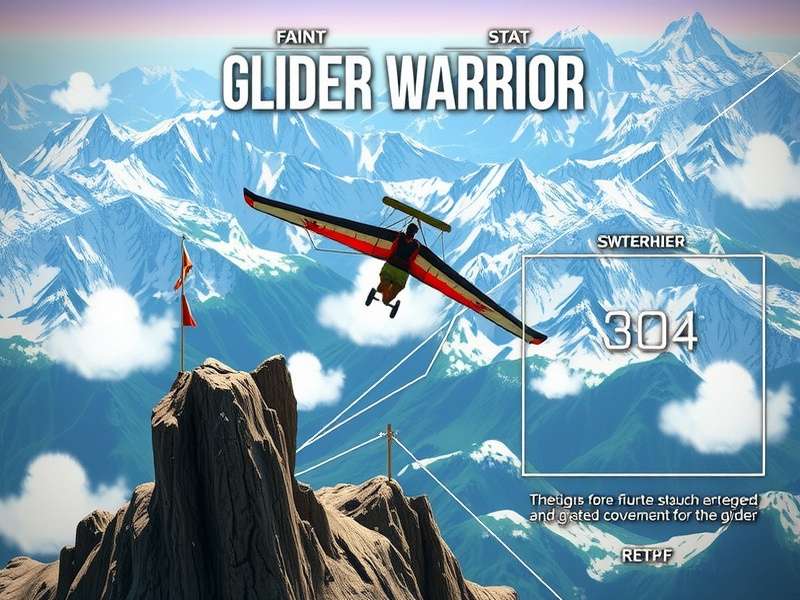
Himalayan Region
The Himalayan Region is one of the most popular and visually stunning regions in Glider Warrior India. Set in the northern part of India, this region features snow-capped peaks, deep valleys, and remote mountain villages. The landscape is dominated by towering mountains, including Kanchenjunga and Nanda Devi, which have been recreated in meticulous detail. The region's climate is cold and harsh, with snowfall and blizzards that add an extra layer of challenge to gameplay.
Key landmarks in the Himalayan Region include:
- Remote Mountain Villages: Traditional villages with stone houses and wooden roofs, inspired by the architecture of Uttarakhand and Himachal Pradesh.
- Ancient Temples: Historic temples like Kedarnath and Badrinath, which have been recreated with stunning attention to detail.
- Glacial Lakes: Crystal-clear lakes like Pangong Tso and Tso Moriri, which reflect the surrounding mountains.
- Mountain Passes: Narrow passes like Rohtang Pass and Zoji La, which present challenging navigation opportunities.
The Himalayan Region's missions focus on delivering supplies to remote villages, rescuing stranded travelers, and navigating through dangerous mountain terrain. The region's weather conditions are dynamic, with sudden blizzards and avalanches that can catch players off guard. To succeed in this region, players must master the art of gliding through strong winds and low visibility.
The cultural elements of the Himalayan Region are also beautifully represented, with traditional music, clothing, and architecture that reflect the local way of life. The region's characters speak in Hindi and regional dialects like Garhwali and Kumaoni, and their dialogue is filled with local customs and traditions. Players can also encounter local wildlife like snow leopards, Himalayan bears, and musk deer, which add to the region's authenticity.
Rajasthan Desert Region
The Rajasthan Desert Region, set in the Thar Desert of western India, is a stark contrast to the Himalayan Region. This region features vast sand dunes, rocky outcrops, and ancient forts, with a hot and arid climate. The landscape is dominated by golden sand dunes that stretch as far as the eye can see, with occasional oases and small villages providing a welcome respite from the desert heat.
Key landmarks in the Rajasthan Desert Region include:
- Ancient Forts: Historic forts like Mehrangarh Fort and Jaisalmer Fort, which tower over the desert landscape.
- Sand Dunes: Massive sand dunes like Sam Sand Dunes and Khuri Sand Dunes, which shift and change with the wind.
- Desert Villages: Traditional villages with mud houses and thatched roofs, inspired by the architecture of Rajasthan.
- Oases: Small green patches in the desert, where palm trees and water sources provide life to humans and animals alike.
The Rajasthan Desert Region's missions focus on navigating through sandstorms, exploring ancient ruins, and participating in desert festivals. The region's weather conditions include strong winds, sandstorms, and extreme heat, which can affect the glider's performance. Players must learn to use the wind to their advantage, riding thermal currents to gain altitude and avoid getting caught in sandstorms.
The cultural elements of the Rajasthan Desert Region are rich and vibrant, with traditional music, dance, and clothing that reflect the state's royal heritage. The region's characters speak in Hindi and Rajasthani, and their dialogue is filled with local proverbs and customs. Players can also encounter desert wildlife like camels, desert foxes, and vultures, which are an integral part of the desert ecosystem.
Kerala Backwaters Region
The Kerala Backwaters Region is one of the most serene and beautiful regions in Glider Warrior India. Set in the southern state of Kerala, this region features a network of lagoons, canals, and lakes that are surrounded by lush greenery. The landscape is dominated by coconut palms, paddy fields, and traditional houseboats, creating a peaceful and idyllic setting.
Key landmarks in the Kerala Backwaters Region include:
- Backwater Lagoons: Serene lagoons like Vembanad Lake and Ashtamudi Lake, which are surrounded by lush vegetation.
- Houseboats: Traditional houseboats (kettuvallams) that ply the backwaters, providing transportation and accommodation to locals and tourists.
- Coastal Villages: Fishing villages with thatched-roof houses and wooden boats, inspired by the architecture of Kerala.
- Temples and Churches: Historic religious sites like the Sree Padmanabhaswamy Temple and the Basilica of Bom Jesus.
The Kerala Backwaters Region's missions focus on delivering goods to coastal villages, rescuing fishermen in distress, and navigating through narrow canals. The region's weather conditions include heavy rains and storms during the monsoon season, which can make navigation challenging. Players must learn to navigate through narrow waterways and avoid obstacles like tree branches and fishing nets.
The cultural elements of the Kerala Backwaters Region are deeply rooted in the state's traditions and way of life. The region's characters speak in Malayalam and Hindi, and their dialogue reflects the state's unique culture and customs. The region's soundtrack features traditional Kerala music, including classical Carnatic music and folk songs. Players can also encounter local wildlife like kingfishers, herons, and backwater dolphins, which add to the region's natural beauty.
Goa Coastal Region
The Goa Coastal Region is a vibrant and colorful region set along the western coast of India. This region features beautiful beaches, rocky cliffs, and bustling beach towns, with a tropical climate and plenty of sunshine. The landscape is dominated by golden beaches, palm trees, and blue waters, creating a paradise-like setting that is perfect for gliding.
Key landmarks in the Goa Coastal Region include:
- Beaches: Popular beaches like Calangute Beach, Baga Beach, and Palolem Beach, which are bustling with activity.
- Rocky Cliffs: Scenic cliffs like